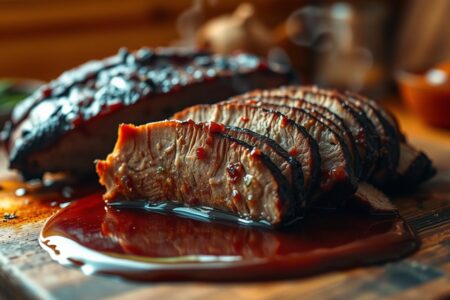
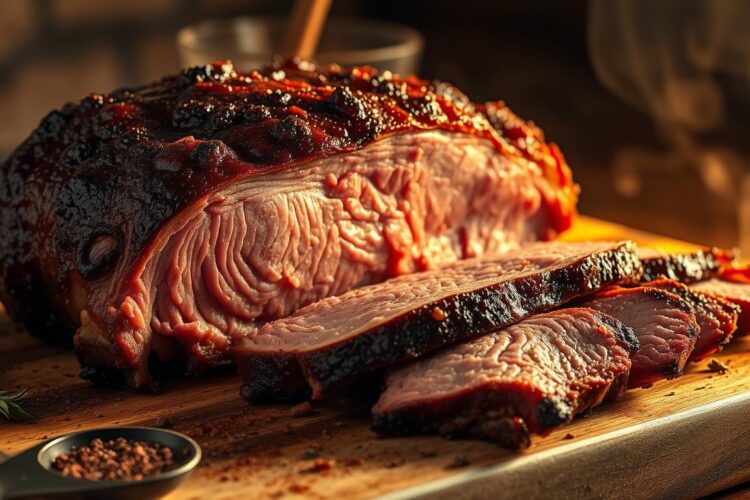
There’s nothing more disappointing than spending hours on a meal, only to end up with tough, overcooked meat. You’ve followed the recipe, kept an eye on the clock, and still, the results fall short. Sound familiar? You’re not alone.
One of the biggest challenges with cooking brisket is maintaining the right temp. Many pitmasters aim for an internal temperature of 205°F, wrapping the meat at 170°F to lock in moisture. Timing and technique are everything.
With a few expert tips, you can turn that dry cut into a tender, flavorful masterpiece. Let’s dive into the essentials for achieving juicy brisket every time.
Understanding the Science Behind a Dry Brisket
The secret to tender brisket lies in understanding the science behind it. Moisture loss often occurs due to overcooking or cutting the meat too early. When exposed to high heat for extended periods, muscle fibers contract, squeezing out natural juices.
Low and slow cooking methods are preferred in BBQ for a reason. This technique allows collagen in the meat to break down gradually, transforming into gelatin. This process keeps the brisket juicy and tender, rather than tough and dry.
Proper cooking techniques make all the difference. For example, wrapping the meat at the right time helps lock in moisture. On the other hand, improper methods, like rushing the process, can lead to disappointing results.
By mastering the science of moisture retention, you can achieve a tender brisket every time. It’s all about balancing heat, time, and technique to create a flavorful masterpiece.
Cooking Basics: The Low and Slow Method
The key to tender, juicy meat lies in the low and slow approach. This method involves cooking at a low temperature for an extended period. It allows the collagen in the meat to break down gradually, transforming it into gelatin. This process keeps the meat moist and tender.
Managing the cooking process is crucial. Constant temperature monitoring ensures the meat doesn’t dry out. A steady heat source prevents the outer layers from becoming tough. This technique is especially effective for cuts like brisket, which require a lot of time to cook properly.
Allowing ample cooking time is essential. Rushing the process can lead to disappointing results. Slow cooking ensures the meat retains its natural juices. It also enhances the flavor, making every bite worth the wait.
Brisket cooking shares similarities with other slow-cooked recipes. Both rely on patience and precision. Expert advice includes monitoring the internal temperature with a meat thermometer. This ensures the meat reaches the perfect level of tenderness without overcooking.
By mastering the low and slow method, you can achieve consistently delicious results. It’s a technique that rewards patience and attention to detail. With practice, you’ll transform tough cuts into tender, flavorful masterpieces.
Why Your Brisket Might Be Dry
Cooking brisket can be tricky, especially when the thinner parts lose moisture. The flat, being leaner, is more prone to drying out if overcooked. It requires careful attention to maintain its tenderness.
One common mistake is neglecting the point, the thicker part of the brisket. While it’s more forgiving, it still needs proper care. Uneven cooking can lead to a dry result, even if one part is perfect.
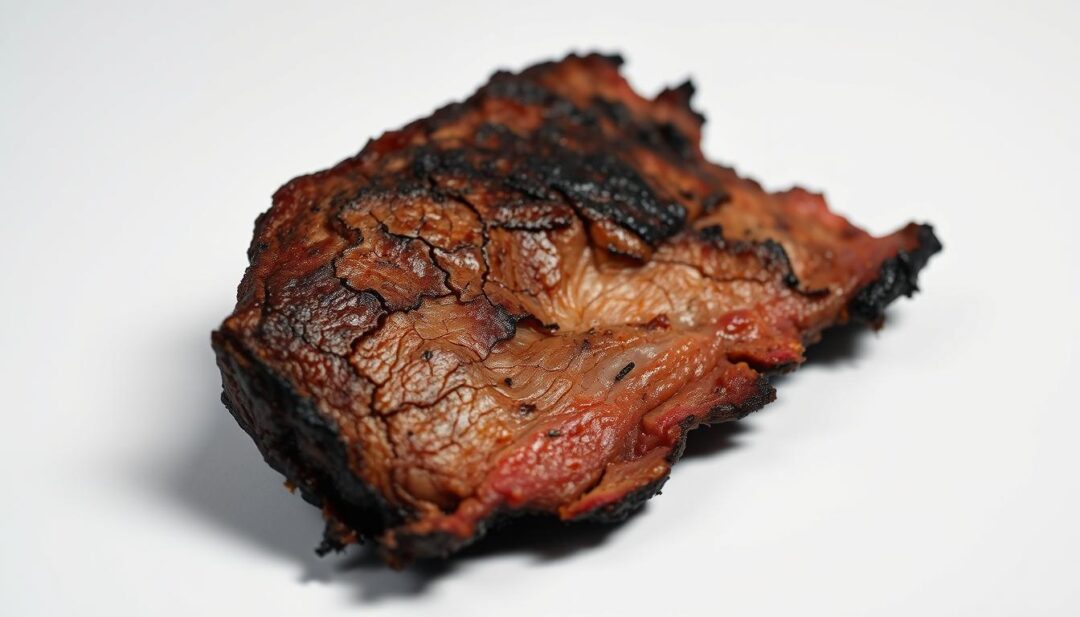
Using foil correctly is another critical factor. Wrapping the meat at the right temperature locks in juices. Skipping this step or doing it too late can rob your brisket of its moisture.
Small errors, like cutting the meat too soon, can also cause dryness. Letting it rest allows the juices to redistribute. These slight adjustments can make a big difference in your final result.
By understanding the nuances of the flat and point, and mastering foil techniques, you can avoid dryness. Paying attention to these details ensures a juicy, flavorful brisket every time.
Timing is Everything: The Resting Phase
The resting phase is often overlooked, but it’s the key to a tender juicy brisket. After hours of cooking, this step allows the meat to reabsorb its natural juices. Cutting too early can cause those juices to escape, leaving you with a dry result.
Resting isn’t just a pause—it’s a critical part of the process. Professional pitmasters use the packer method, wrapping the brisket in a towel or placing it in a cooler. This helps maintain the temperature while the meat settles.
Allowing the brisket to rest for at least two hours is the best way to ensure maximum flavor and moisture retention. This step redistributes the juices evenly throughout the meat, enhancing every bite.
By mastering the resting phase, you can transform your brisket into a flavorful masterpiece. It’s the final touch that makes all the difference.
Mastering the Art of Wrapping Your Brisket
Wrapping your brisket at the right moment is a game-changer for achieving juicy, tender results. Known as the Texas Crutch, this technique involves wrapping the meat in foil or butcher paper when the internal temperature reaches 160-170°F. This step locks in moisture without turning the brisket into a braise.
Timing is critical. Wrapping too early can trap steam, leading to a soggy exterior. Wrapping too late risks losing valuable moisture. Using a reliable probe to monitor the temperature ensures you hit the sweet spot. This is especially important during the click expand phase, where the meat’s internal structure changes.
Proper wrapping also prevents excessive water loss. The foil or paper acts as a barrier, keeping the natural juices inside. This helps maintain a desirable texture, making every bite tender and flavorful. It’s a balance between sealing in moisture and avoiding a soggy finish.
Mastering the Texas Crutch takes practice, but the results are worth it. By wrapping at the right moment and using a probe to monitor progress, you can elevate your cooking game. This technique ensures your brisket stays juicy and tender, impressing everyone at the table.
Avoiding Overcooking: Keeping It Juicy
Keeping your brisket juicy requires precise temperature control and patience. Even small deviations can lead to a loss of moisture, resulting in a dry, tough texture. Using a reliable probe ensures the end product reaches the perfect stage of doneness.
Monitoring the internal temperature throughout the cooking process is essential. Aim for a steady heat source to prevent the outer layers from drying out. This helps maintain the meat’s natural moisture and ensures even cooking.
After cooking, give the brisket a proper place to rest. This allows the juices to redistribute, enhancing flavor and tenderness. Skipping this step can cause the moisture to escape, leaving you with a less-than-perfect result.
Vigilant temperature controls are your best defense against overcooking. By paying attention to these details, you can achieve a juicy, flavorful brisket every time. Patience and precision are the keys to success.
Injecting Extra Flavor and Moisture
A simple technique can transform dry tough cuts into succulent masterpieces. Injecting a flavorful liquid, like beef broth, before cooking ensures the meat stays moist and delicious from the inside out. This method is a game-changer for achieving consistently juicy results.
Even a small amount of liquid can make a big difference. Quality beef broth or similar liquids not only add moisture but also enhance the natural flavor of the meat. This step is especially useful for cuts prone to drying out during cooking.
The process is straightforward. Use a meat injector to distribute the liquid evenly throughout the meat. Focus on areas that tend to lose moisture, like the thinner sections. This ensures every bite is packed with flavor and juiciness.
Injecting complements traditional cooking methods perfectly. It works well with low and slow techniques, locking in moisture while the meat cooks. This combination guarantees a tender, flavorful result every time.
By mastering this technique, you can elevate your cooking and impress every member of your table. It’s a simple yet effective way to ensure your meat stays juicy and delicious.
Smart Techniques for Even Cooking
Achieving even cooking for your meat requires attention to detail and consistent techniques. Every person’s cooking style can benefit from a structured approach. Thanks to traditional BBQ methods, we know that even heat distribution is key to success.
Start by monitoring the meat as a person might do with careful observation. This helps prevent uneven heat distribution, ensuring every side cooks perfectly. Thanks to tools like meat thermometers, you can maintain consistent temperatures throughout the process.
Letting the meat rest properly after cooking is another essential step. A proper rest ensures the juices redistribute evenly, enhancing flavor and tenderness. This simple yet effective technique makes a world of difference in your final result.
By combining these methods, you can achieve reliable, even results every time. Thanks to patience and precision, your cooking will transform into a consistent, flavorful experience. Mastering these techniques ensures every bite is as delicious as the last.
Troubleshooting Common Pitfalls
Even experienced cooks can face challenges when preparing certain cuts of meat. One common issue is wrapping the meat too early or too late. Using the wrong type of paper or foil can also affect the texture and moisture retention.
Timing is crucial when it comes to rendering fat properly. If the meat isn’t managed correctly, the fat won’t break down as it should, leading to a less tender result. Monitoring the process closely can help avoid this problem.
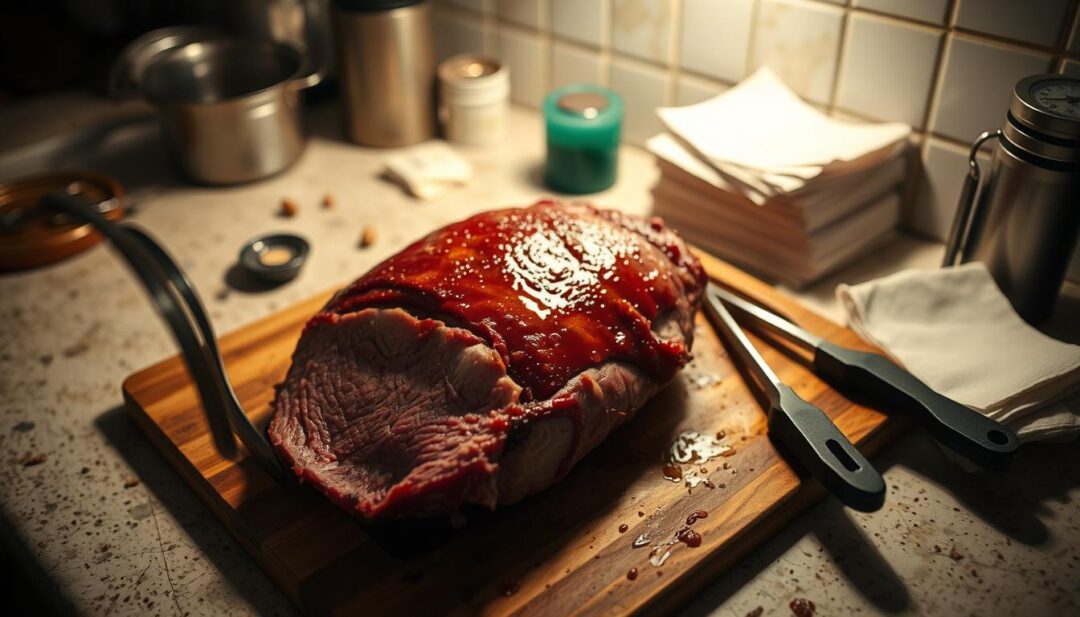
Another pitfall is cutting the meat too soon. Letting it rest allows the juices to redistribute, ensuring a moist and flavorful bite. Skipping this step can leave you with a dry and disappointing outcome.
Expert tips, last edited by seasoned pitmasters, suggest using butcher paper instead of foil for better results. This helps maintain the right balance of moisture without steaming the meat. Proper wrapping techniques can make a significant difference.
By addressing these common mistakes, you can refine your approach and achieve better results. Paying attention to details like fat rendering and wrapping methods ensures a tender and juicy final product.
Advanced BBQ Tips for Pro Brisket
Elevating your BBQ game requires mastering advanced techniques that professionals swear by. One of the most effective methods is combining hot and fast cooking phases with later probing. This approach ensures your meat reaches the perfect degree of tenderness.
Minor adjustments, like a one-off tweak in temperature, can dramatically improve your results. For example, starting with a higher heat can create a flavorful bark, while reducing it later ensures even cooking. This balance is key to achieving pro-level brisket.
Optimizing your smoke is another critical factor. Use wood chunks or chips that complement the meat’s natural flavor. Monitoring the smoke levels ensures it enhances, rather than overwhelms, the taste. This attention to detail makes a world of difference.
Finishing your brisket at the right degree of doneness is equally important. Use a probe to check for the desired level of flex. This ensures the meat is tender without being overcooked. It’s a small step that elevates your BBQ skills.
By incorporating these advanced strategies, you can refine your technique without complicating the process. Focus on precision, and you’ll achieve consistently impressive results every time.
Wrapping Up with Savory and Tender Results
Mastering the art of BBQ means paying attention to every detail, from the side of the meat to its internal texture. Each step, from wrapping to resting, plays a crucial role in achieving a moist and flavorful result. When done right, your method will invite questions from friends and family eager to learn your secrets.
Remember, small adjustments can make a big difference. Proper wrapping locks in moisture, while resting allows the juices to redistribute evenly. These techniques ensure every bite is tender and savory. Experiment with these tips to refine your skills and impress at your next BBQ gathering.
By focusing on these details, you’ll elevate your cooking and create a dish that’s consistently delicious. Keep practicing, and soon, your BBQ will be the talk of the side of the table.