
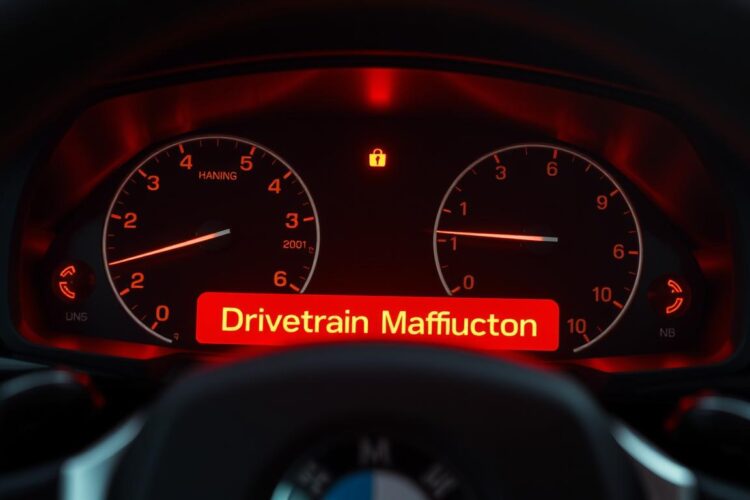
Picture this: You’re cruising down the highway, music playing, when suddenly a yellow warning light flashes on your dashboard. Your heart skips a beat. What does it mean? Is your car safe to drive? For many BMW owners, this moment marks the start of uncertainty—but it doesn’t have to.
That alert you’re seeing is your car’s way of saying, “Hey, something’s not right.” It points to issues in the system that sends power from the engine to your wheels. Think of it like your vehicle’s nervous system—when one part struggles, the whole performance suffers.
Ignoring this warning can lead to bigger problems. Maybe your transmission hesitates during gear shifts. Perhaps you notice odd noises or reduced acceleration. These signs aren’t just inconvenient—they’re urgent.
In this guide, we’ll break down why this happens, how to spot early symptoms, and what steps to take next. You’ll learn about common causes, from sensor glitches to mechanical wear, and discover practical ways to protect your BMW’s performance.
Remember: Your safety comes first. While some fixes are simple, like resetting the computer, others need expert attention. Ready to tackle this head-on? Let’s get started.
Understanding the BMW Drivetrain System
Ever wonder how your vehicle turns fuel into motion? It’s all about teamwork. The parts working under your car’s hood and chassis form a precise chain that delivers energy where it’s needed. When everything clicks, you get that smooth BMW driving experience we all love.
Meet the Power Players
Think of your car’s power delivery like a relay race. The engine starts by burning fuel to create energy. This energy then moves through:
- The transmission – adjusts speed and torque
- Driveshafts – spin to carry power rearward
- Differentials – split power between wheels during turns
These components work like orchestra members – if one misses a note, the whole performance falters. That’s why odd noises or sluggish acceleration often point to issues here.
From Pedal to Pavement
When you press the gas, here’s what happens:
- Engine converts fuel to rotational force
- Transmission selects the right gear ratio
- Driveshafts transfer this energy to the wheels
Your dashboard acts like a coach watching this relay. It tracks sensors throughout the system, ready to flag any dropped batons. Regular maintenance checks help catch worn parts before they disrupt this careful balance.
What is a Drivetrain Malfunction in BMW?
You’re driving smoothly when the dashboard lights up—what’s happening under the hood? This warning means your car’s power delivery network isn’t working as it should. Sensors detect hiccups in parts like the transmission, driveshafts, or electronic controls. Ignoring it? That’s like dismissing a fever—it only gets worse.
When Components Miss Their Cue
Common triggers include worn-out parts, faulty sensors, or electrical glitches. For example, a shaky gear shift or whining noise during turns often signals trouble. Your vehicle might even limit speed to protect itself—ever feel it hesitating on highways?
Here’s how your car spots the problem:
- Monitors real-time data from 50+ sensors
- Compares readings to factory-set ranges
- Triggers alerts if values fall outside norms
Delaying repairs risks costly damage. A minor sensor replacement could balloon into transmission rebuilds if neglected. Heard clunking sounds when accelerating? That’s your cue to act—not hope it vanishes.
Quick diagnostics matter. Mechanics use specialized tools to read error codes, pinpointing exact issues. Addressing them early keeps your ride safe and saves thousands down the road. After all, wouldn’t you rather fix a small leak than replace the whole pipe?
Drivetrain Malfunction BMW: Warning Signs & Diagnostics
Your car speaks—are you listening? Modern vehicles use lights and codes to tell you exactly what’s wrong. Learning this language helps you act fast and avoid bigger headaches.
Dashboard Alerts and Error Messages
That glowing symbol on your dashboard isn’t just decoration. It’s a direct message from your car’s brain. Common warnings include:
- Flashing gear-shaped icons
- “Check engine” lights paired with reduced power
- Text alerts like “Transmission fault”
These signals often mean the system detects irregular pressures, odd vibrations, or sensor conflicts. Ever notice jerky acceleration after a warning appears? That’s your vehicle protecting itself by limiting performance.
Using OBD-II Scanners for Diagnosis
Plugging in a scanner reveals hidden details. Here’s how it works:
- Locate the port under your steering wheel
- Connect the device and turn the ignition on
- Read the code (like P0700) and check online guides
While scanners help, some codes need expert interpretation. For example, “P17E6” could mean anything from a loose gas cap to transmission trouble. Drive moderately if warnings appear—avoid hard stops or sudden acceleration until repairs.
Quick action saves money. A $30 scanner might catch a $200 fix before it becomes a $2,000 overhaul. Remember: Your car’s messages are clues, not mysteries. Treat them like a friend texting “We need to talk”—respond promptly!
Common Causes, Symptoms, and Signals
Ever felt your car hesitate when you hit the gas? That stutter might be more than a momentary hiccup. Modern vehicles rely on precise teamwork between mechanical parts and electronic systems—when one falters, performance plummets.
When Metal Meets Stress
Mechanical wear often starts small but snowballs fast. Watch for these red flags:
- Delayed gear shifts or grinding noises (transmission stress)
- Vibrations at highway speeds (worn driveshafts)
- Whining during turns (differential wear)
A customer once ignored a faint clunking sound—it turned into a $1,800 repair when the differential seized. Moral? Address odd noises quickly.
Electrical Gremlins at Work
Your car’s sensors act like nervous system messengers. When they misfire:
- Faulty spark plugs cause rough idling
- Clogged fuel injectors lead to power loss
- Bad oxygen sensors trick the computer
Poor-quality fuel accelerates these issues. One driver reported 30% less acceleration after using cheap gas—a $120 injector cleaning fixed it. Regular tune-ups catch these silent saboteurs before they strike.
Remember: That slight vibration today could mean major damage tomorrow. Listen to your vehicle’s language—it’s always telling you something.
Repair Options and Cost Considerations
Ever had a phone act up only to fix itself after a restart? Cars sometimes work the same way. When that warning light glows, your first move matters. Let’s explore solutions from quick tweaks to major overhauls—and what they’ll cost you.
Minor Fixes Versus Major Rebuilds
Start simple. A loose gas cap or dirty sensor often triggers false alarms. Try these first:
- Reset the computer by disconnecting the battery for 10 minutes
- Replace worn spark plugs ($120-$300)
- Clean or swap faulty fuel injectors ($150-$400)
One driver avoided a $1,200 repair by simply tightening a loose ignition coil. But deeper issues like a failing fuel pump ($800-$1,200) or transmission rebuild ($3,500+) need professional help. How to tell the difference? If basic resets don’t stick, dig deeper.
Reset Procedures and Immediate Actions
Your OBD-II scanner is your best friend here. Plug it in to:
- Clear error codes temporarily
- Check if the issue returns after driving
- Identify recurring faults (like P0171 fuel system codes)
Quick resets buy time but aren’t cures. If warnings pop back up, visit a specialist. Always get multiple quotes—a $200 sensor job shouldn’t cost $600. Remember: Quality parts matter. Cheap ignition coils often fail within months, costing you double.
Smart choices now prevent wallet-draining surprises later. What’s better—a $300 fix today or a $4,000 rebuild next year? Your car’s counting on you to decide wisely.
Preventive Maintenance and Best Practices
Want your car to age like fine wine? It starts with smart habits. Just like brushing your teeth prevents cavities, simple routines keep your vehicle running smoothly for years. Let’s explore how small efforts today prevent big headaches tomorrow.
Checkups Keep Problems Away
My neighbor learned this the hard way. After skipping fluid changes for 18 months, his SUV needed a $900 transmission flush. Don’t be like Mike. Stick to these basics every 6-12 months:
- Oil and filter replacements (check your manual)
- Transmission fluid inspections
- Brake system assessments
Fresh fluids act like vitamins for your car—they reduce friction and prevent overheating. Ever notice smoother gear shifts after a service? That’s proper maintenance in action.
Quality Matters More Than You Think
Generic parts might save $20 upfront, but they often wear out faster. A friend installed budget spark plugs—they failed within 8 months. Stick to manufacturer-approved components for critical systems:
- Ignition coils
- Fuel pumps
- Sensors
Your driving style also impacts longevity. Avoid jackrabbit starts and sudden stops. Treat that gas pedal like a dimmer switch, not an on/off button. Gentle acceleration reduces strain on components.
Book a professional inspection annually—mechanics spot issues you might miss. Think of it as a physical for your car. A $150 checkup today could dodge a $2,000 repair next year. Ready to become your vehicle’s best friend?
Ensuring Long-Term Safety and Performance
What’s the secret to keeping your car happy for years? It starts with treating warnings like urgent memos—not junk mail. That flashing alert on your dashboard? It’s like your car’s way of texting you—“We need to talk.”
Acting fast when symptoms appear prevents small issues from becoming wallet-draining disasters. Strange noises, delayed acceleration, or jerky gear shifts aren’t just quirks—they’re cries for help. One driver ignored a faint whining sound until their repair bill tripled. Don’t let that be you.
Understanding the cause behind these signals helps you choose smart fixes. Is it a worn spark plug or a faulty sensor? Knowing the difference means spending $150 instead of $1,500. Regular check-ups catch problems early, like finding a leak before the pipe bursts.
Here’s your action plan: Schedule annual inspections, use quality parts, and drive gently. Treat your vehicle like a trusted friend—listen to its needs, and it’ll reward you with smooth rides for years. Ready to spark a new chapter of worry-free driving?

