
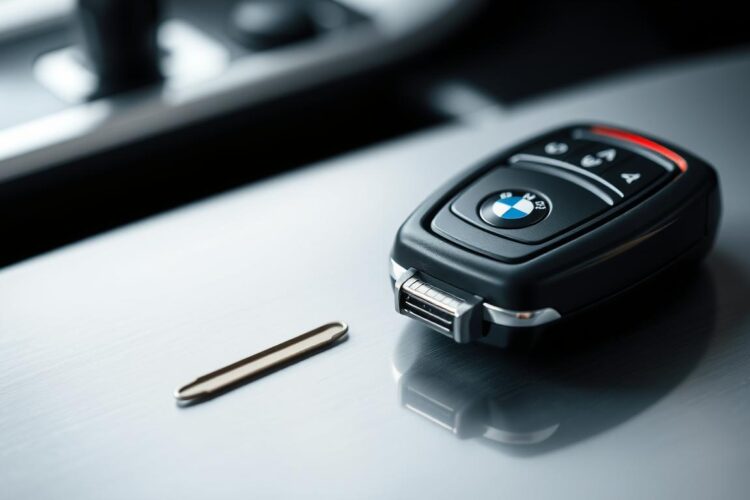
Have you ever lost something important and felt that sinking feeling? Maybe it was a wallet, a phone, or—let’s be honest—your car keys. Suddenly, your day stops. You can’t drive to work, pick up groceries, or meet friends. It’s frustrating, right? But here’s the good news: replacing a lost or damaged key doesn’t have to be stressful.
Modern cars rely on advanced technology to keep you safe. A replacement isn’t just about getting back on the road—it’s about protecting your vehicle from theft. Dealerships and certified locksmiths use secure processes to program new keys. This ensures only your key can start the engine.
How does it work? First, you’ll need proof of ownership. Then, a technician matches the new key to your car’s system. Some drivers prefer dealership services for guaranteed results. Others explore DIY kits, though these require careful setup. Either way, understanding the price and steps helps you make smart choices.
Why does this matter? Imagine someone finding your old key. Without proper deactivation, they could access your car. Stories from BMW sources show how thieves exploit outdated keys. That’s why working with experts matters—they delete old codes and add new layers of security.
This guide breaks down everything: terms like “replacement key,” costs, and tips to avoid scams. Let’s simplify the process together.
Understanding the BMW Key Replacement Process
What happens when you need a new way to start your engine? Let’s walk through the journey. Authorized dealers follow precise steps to ensure your vehicle stays secure and functional.
Step-by-Step Order Process
First, visit a certified dealer with your driver’s license and ownership papers. They’ll check your documents to confirm the car belongs to you. Ever wonder why dealers ask for so much paperwork? It’s to prevent unauthorized requests. Once verified, they’ll place an order for a new key fob.
Most orders take 3-5 business days to arrive. Dealers then program the key using your vehicle’s unique codes. If the dates on your paperwork don’t match the system’s records, this step could fail. Imagine typing the wrong year during setup—your car might not recognize the new key!
Why Accuracy Matters
Every detail matters in programming. A single typo in the join date or VIN number can delay the process. Technicians double-check each entry to ensure compatibility. This attention to detail keeps your vehicle’s security system intact.
Before leaving the dealership, test the new key. Does it lock the doors smoothly? Does the engine start without hesitation? These quick checks give peace of mind. By following each step carefully, you maintain control over who accesses your car.
Essential Documentation & Dealer Requirements
Preparing the right paperwork can feel like solving a puzzle without the picture. Let’s simplify it. Whether you’re an individual or managing a fleet, dealers need specific documents to verify ownership and protect your vehicle’s security.
Required Documentation for Business Use
Businesses like leasing companies or auction houses face stricter rules. Chapman BMW Chandler recently rejected a request because a leasing firm forgot notarized ownership papers. To avoid delays, gather these:
- A valid U.S. driver’s license
- Notarized copy of the vehicle title
- Business registration documents
Why the extra steps? Dealers cross-reference every post drive entry in their system. If your paperwork doesn’t match their records, they can’t program the key fob securely.
What to Expect at the Dealership
Walk into any 2019 location, and technicians will first check your ID against their database. One customer originally posted online about forgetting their lease agreement—it added three days to their process. Here’s how to prepare:
- Bring physical copies (digital scans often get rejected)
- Double-check dates on titles and registrations
- Ask for an appreciate quote upfront to avoid surprises
Comfort access features only activate after dealers confirm your identity. Their system erases old codes and links the new key to your vehicle’s unique signal. Pro tip: Call ahead to confirm which documents they need. A quick chat saves hours!
Technologies Behind BMW Key Fobs and Programming
Have you ever wondered how a small device unlocks doors and starts engines securely? Today’s access systems combine convenience with military-grade protection. Let’s break down the tech that keeps your vehicle safe yet easy to use.
How Key Fobs Communicate with Your Vehicle
When you press a button, the fob sends radio waves to your car. These signals are encrypted—like a secret handshake only your vehicle understands. For example, comfort access lets you open doors without touching the fob. It’s like your car recognizes your presence and says, “Welcome back!”
Induction technology powers the fob using energy from the car’s ignition. This means no batteries are needed for starting. Even if someone intercepts the signal, the code changes every time. Imagine a thief trying to copy it—they’d need to crack a new cipher each second!
Understanding EWS and Comfort Access Systems
The Electronic Immobilizer System (EWS) acts like a digital bouncer. It checks if the fob’s code matches the one stored in the vehicle. If not, the engine won’t start. Dealers use secure threads to program new fobs, ensuring each code stays unique.
Did you know losing a fob doesn’t mean your car is at risk? The system erases old codes once you report it missing. Plus, the vehicle’s module stores multiple authorized signals. That’s why having at least one working fob helps technicians add replacements safely.
Next time you see a 2011 location forum post reply about stolen codes, remember: modern encryption makes hacking nearly impossible. It’s like having a vault that rebuilds its lock every minute!
Exploring bmw key replacement cost Factors
Why do some drivers pay more than others for the same service? The answer lies in hidden details most people overlook. Let’s uncover what really determines your total.
Breaking Down the Numbers
Dealerships like BMW North America often list three main expenses. First, the physical fob itself—this tiny device uses advanced tech, so prices start around $200. Next, programming fees ensure your car recognizes the new device. Ever heard of the “join” process? That’s when technicians link the fob to your vehicle’s security system. This step varies by model year and can add $100-$300.
Labor costs also play a role. A 2023 study found hourly rates differ widely by location. Urban dealers might charge $150/hour, while rural shops ask $90. One user on iTrader shared how their rep quoted $50 less after mentioning a competitor’s price.
Losing both fobs? That’s when costs spike. Your car’s module may need replacement—a $500+ job—since it can’t verify any existing keys. Always keep at least one working fob to avoid this!
Drivers often post about price surprises online. A family in Texas saved $120 by comparing three local dealers. Another in New York learned their drives’ onboard software needed updates before programming. Lesson? Ask for a detailed breakdown upfront.
Knowing these factors helps you ask smarter questions. Ready to find your best deal?
DIY vs. Authorized Dealer: Which Option Is Best?
Imagine needing a new way to unlock your car. Do you grab a toolkit or call a pro? Let’s explore both paths.
Pros and Cons of Self-Service
DIY kits promise quick fixes. They’re cheaper upfront—some cost half what dealers charge. But here’s the catch: programming requires precise steps. Miss one code entry, and the fob might unlock doors but fail to start the engine. One driver shared how their $80 kit left their car stranded until a dealer fixed the thread alignment.
Time is another factor. Online tutorials suggest 30-minute setups. Yet many spend hours troubleshooting. Without factory-grade tools, you can’t fully erase old codes. Could leftover signals let someone access your vehicle? It’s possible.
Benefits of the Authorized Dealer Experience
Dealers use encrypted systems to sync new fobs. Their tools update your car’s security module, blocking old codes instantly. A technician checks comfort access features, battery health, and signal strength. Think of it like a doctor’s visit—they spot issues you’d miss.
Yes, it costs more. But consider long-term safety. Dealers guarantee each fob works perfectly. One family avoided a $900 module replacement because their dealer noticed mismatched encryption during setup.
Would you trust a $20 screwdriver with your car’s security? Or invest in expertise that keeps thieves locked out? The choice shapes how safely you drive tomorrow.
Securing Your BMW’s Future with a New Key
Your car’s security is like a digital fortress—every layer matters. Proper coding ensures smooth steering, reliable locking, and instant starts. Without it, even minor glitches could leave you stranded. Imagine trying to turn the wheel and feeling resistance—it’s not just inconvenient, it’s unsafe.
Authorized service centers keep your system updated. They verify the exact number of active fobs linked to your vehicle. This prevents old devices from working if lost or stolen. Think of it as a security guard who knows every approved guest by name.
Every part of the process matters. From ordering to installation, experts check signal strength and delete outdated codes. One driver avoided theft because their dealer spotted mismatched programming during a routine service. Why risk it?
If you’ve seen posts about odd beeps or delayed responses, search for trustworthy dealers now. A quick check today saves headaches tomorrow. Secure coding and professional service protect your car’s value—and your peace of mind.
Ready to lock out worries? Contact a certified expert to ensure your vehicle recognizes only your commands. Because safety isn’t just a feature—it’s your right.

